What problem does decision intelligence solve?
Most companies already have the data. Trackers refresh, studies land, customer feedback arrives, competitors move (the job of competitive intelligence), and all of it is reported somewhere. The problem is knowing what deserves attention. Signals are spread across dashboards, decks and datasets read by different people on different schedules, and the movement that matters is noticed late, or not at all. Decision intelligence exists to close that gap: to read everything continuously and tell each person the few things that matter to them.
How is it different from business intelligence and AI tools?
Business intelligence tells you what happened. It presents data for a person to interpret. AI assistants help you explore data conversationally, answering the question you thought to ask. Decision intelligence decides what deserves your attention, explains why with the evidence attached, and recommends a next step. The difference is who does the prioritizing. In BI and AI tools, you do. In decision intelligence, the platform does, and you decide.
What does a decision intelligence platform do?
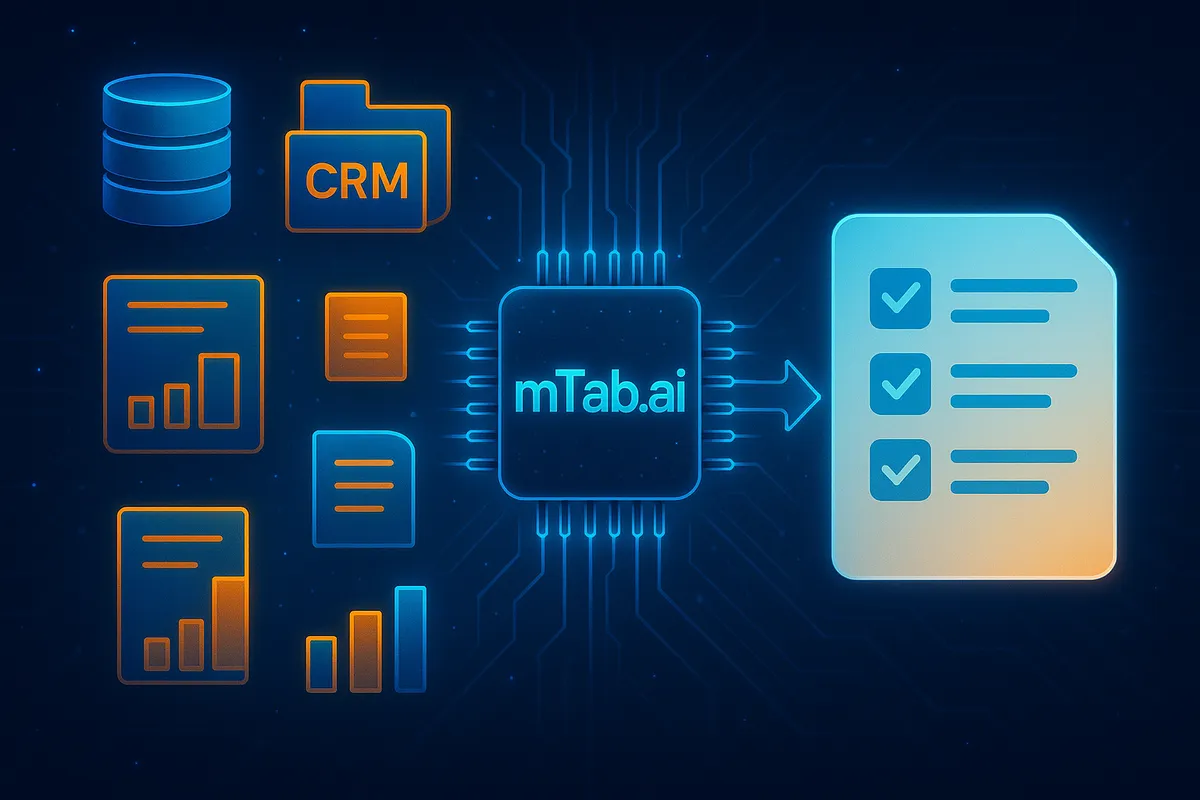
- Connects research, surveys, trackers, documents, customer, market and competitive data into one governed layer.
- Understands the information with established analysis, search, modeling and AI synthesis.
- Watches the signals continuously, tuned to each team and role.
- Finds meaningful change, risk and opportunity, and ranks it.
- Explains what changed and why it matters, citing the sources.
- Recommends a next step, and helps the team investigate, answer follow-up questions and automate recurring work.
Governance runs through all of it: access follows the data, answers cite their sources, and people review before anything reaches stakeholders.
What changes for teams?
Insights teams stop being a request queue. Monitoring, synthesis and reporting happen continuously, so their time goes to the analysis only people can do, and their research reaches the business while it still matters. Business leaders stop scanning dashboards. They start the day with a ranked list of what changed, why it matters and what the team recommends, and ask a follow-up when they need the detail. Leadership gets prioritization instead of more analytics.
Why now?
Two things arrived together: enterprises accumulated more research and data than any team can read, and AI became good enough to read it, explain it and draft from it, provided the measurement underneath is rigorous and the outputs are governed. Decision intelligence is what that combination makes possible when it is built on a trustworthy data foundation.
How mTab approaches it
mTab Halo is the platform: it connects and understands everything a company knows, with decades of survey and research analysis underneath. Pulse is the decision layer on top: a daily, role-aware briefing on what changed, why it matters and what to do next. Flows automate the recurring work. Pulse recommends; people decide.