Automotive briefing
EV Evolution: Automakers Recalibrating From Performance to Price

mTab
· 2 min read
For the past decade, the electric vehicle story was focused on technology and infrastructure. How did these vehicles perform and was the support charging infrastructure in place to drive them effectively? However, this buyer excuse is starting to evaporate for many EV automakers, including General Motors, Rivian, Lucid Motors, Hyundai Motor Company, Nissan Motor Corporation and Volvo Group, and even luxury brands like BMW Group, Mercedes-Benz AG and Tesla, as battery technology becomes increasingly balanced across the automotive industry. Yet now, affordability takes center stage.
Across Europe, 26 of 27 member states now meet AFIR fast-charging targets 18 months early, with total capacity 180% above minimum requirements. In the US, DC fast chargers have doubled since 2023 to 64,000+, and reliability has climbed from 85 to the mid-90s. Beyond this, road-trip charging is becoming routine, and less risky to drivers. The infrastructure argument automotive brands have leaned on for years is largely evaporating.
What's rushing in to fill the vacuum is harder to message to buyers: price. The larger question is which OEMs can actually deliver on this dimension. Chinese market entrants are not testing the market anymore; now they are pricing it. BYD's new Da Han sedan starts at roughly $44,300 and claims up to 626 miles of range, undercutting legacy sedans on price while beating them on both range and size.
"The EV market has seen tremendous chaos between uncertain tariffs, shifting regulations, dynamic demand and technology trends," explains Mark Lummas, Global Vice President for Customer Success at mTab, a decision intelligence provider for the automotive industry spanning the past five decades. "The market is approaching another shift of natural pricing pressure as technology has advanced. The key for OEMs is to understand the pace and direction of this shift and buyer expectation balance across pricing and performance."
In Europe, XPENG's L03 undercuts the VW ID.5 GTX by nearly €18,000 and the Tesla Model Y Premium by over €12,000, while out-accelerating both. In Mexico, Chinese brands hit 17% market share in H1 2026, up from under 1% in 2020, despite a 50% tariff, with a 43% drop in imports hinting the real wave is still ahead as brands front-load ahead of further trade action.
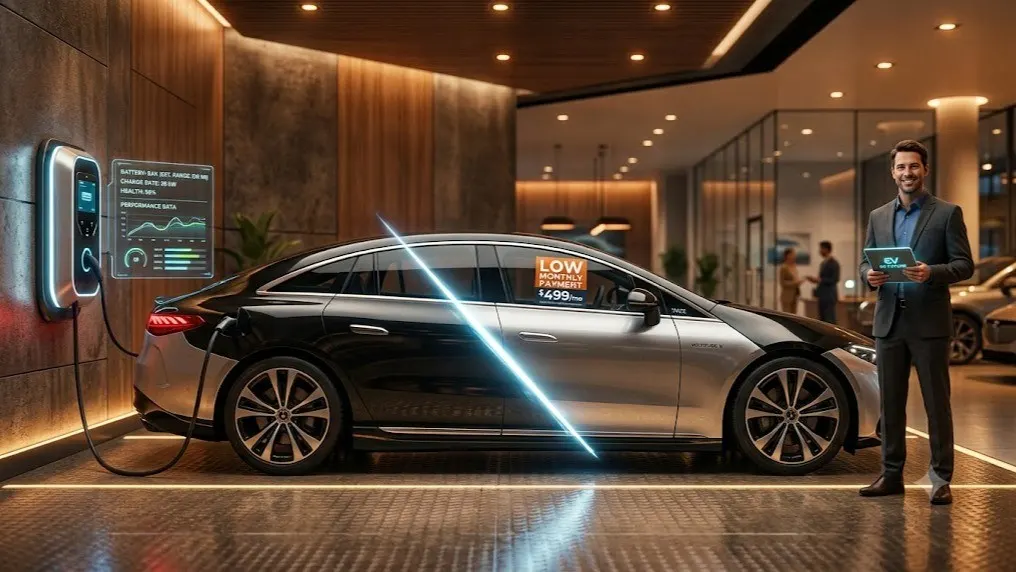
Meanwhile, the American buyer is stretched thinner than at almost any point in recorded history. The average new-vehicle payment hit $777/month, with nearly a quarter of buyers now stretching to 84-month loans. Edmunds finds 29.6% of trade-ins now carry negative equity, the highest since Q2 2020, averaging $6,884 underwater and $16,270 in extra interest. Affordability isn't a talking point anymore; it's the dominant lens through which buyers are making every decision.
OEMs are rushing to recalibrate their own bets in real time with data-driven insight into their customers and competitors. For example, General Motors 's evolving five-year plan pulls back on EVs in favor of PHEVs, extending gas trucks and SUVs while adding plug-in hybrid variants of the Silverado and Equinox. That's not a retreat from electrification; rather, it's a bet that the next few years of demand look more like EV-vs-PHEV-vs-ICE than a straight line to battery-electric.
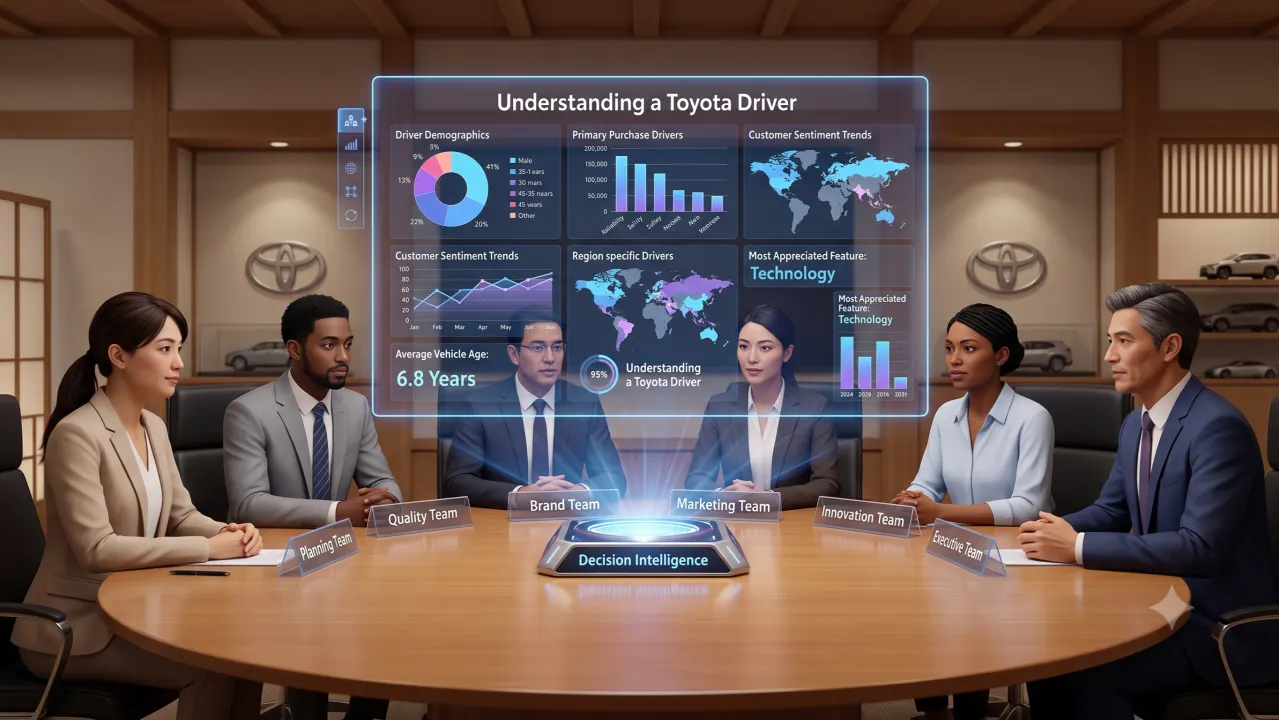
See how leading global auto brands, such as Ford Motor Company, Hyundai Motor Company, Tesla and Toyota Motor Corporation , engage agentic AI decision intelligence to transform their enterprise data into actionable insights and automated actions to understand their consumers, anticipate their markets, elevate their vehicles, creating happier drivers.